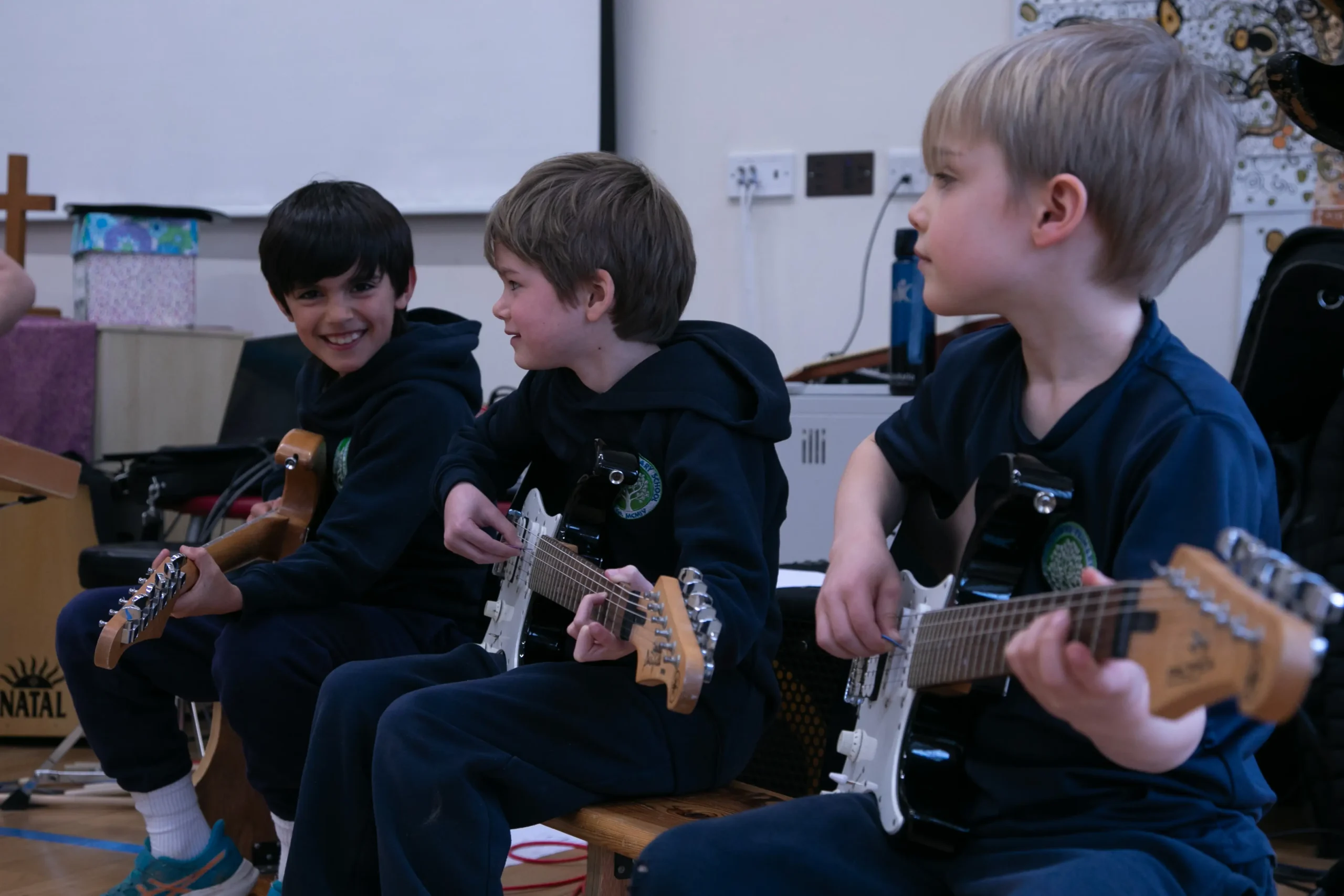
Picking a first instrument is an exciting milestone. It marks the beginning of a lifelong creative journey. However, for parents, it can be tricky to know where to start. With so many options available, how do you ensure you are picking the one that will keep your child interested in the long run?
Focus on Interest First
The most important factor isn’t physical size or ease of use, it is engagement. Which instrument does your child gravitate toward? If they are constantly singing, perhaps they would love to explore vocal training or piano. If they love the sounds of their favourite bands, a guitar or drums might be the best match. An instrument that the student is excited to touch is an instrument they are more likely to practice.
Considerations for Beginners
While enthusiasm is key, there are some practical elements to consider. Some instruments require a bit more coordination or hand strength. For example, younger children often find the ukulele a great starting point because of its small size and soft nylon strings, which are much gentler on small fingers than an acoustic guitar. Similarly, the piano offers a clear visual layout of notes, making it an excellent tool for learning fundamental music theory early on.
Embrace the Journey
Remember that the first instrument chosen is not necessarily the “forever” instrument. It is common for students to start with one instrument and find that their interest evolves toward another as they gain musical maturity. The most important outcome is that your child develops a love for making music, learns how to read notation, and understands pitch and rhythm. Once that foundation is set, they can branch out into any musical direction they choose.