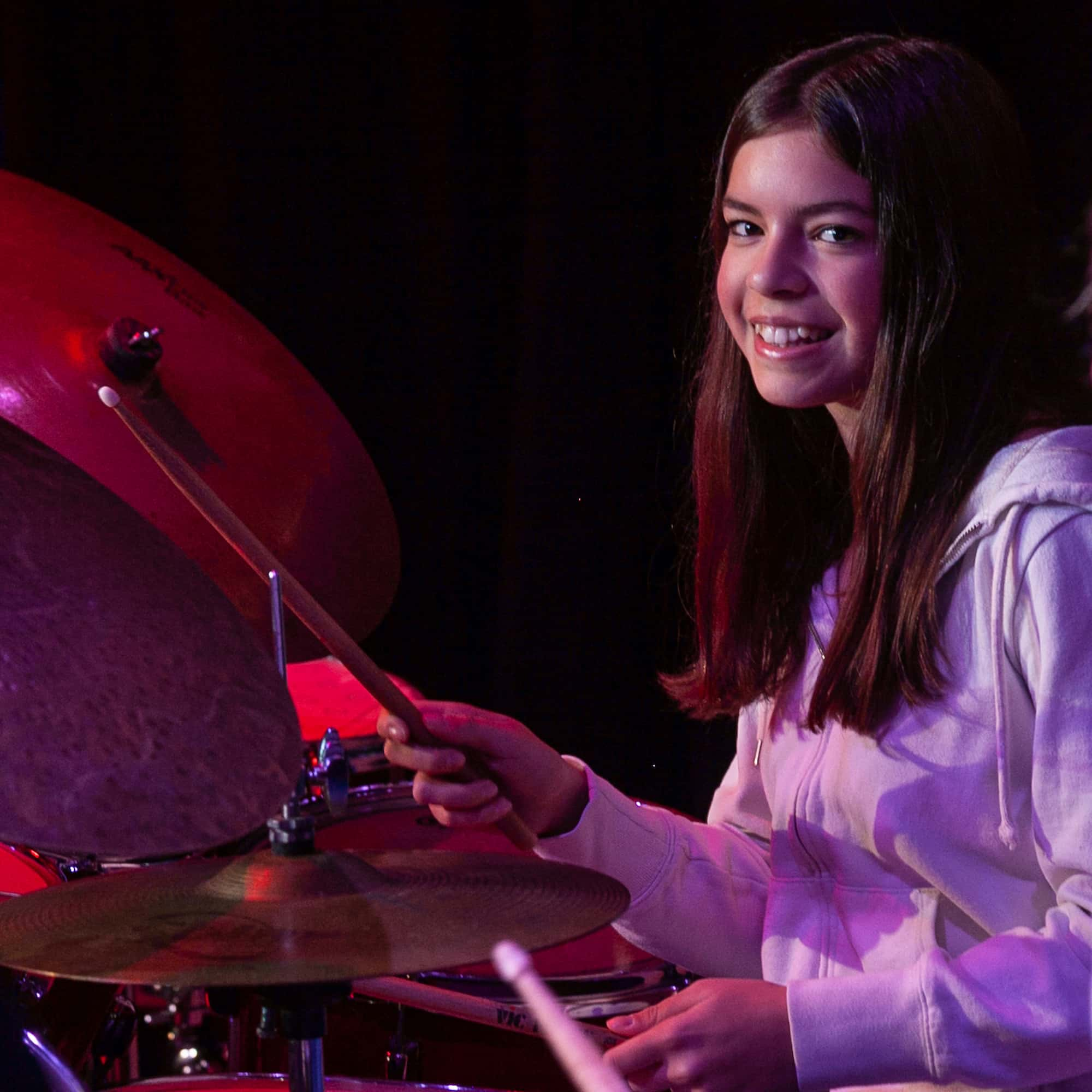
Solo practice is essential for building technical skills, but playing in a band is where music truly comes to life. If you have been learning an instrument for a while but have never played with others, you are missing out on one of the most rewarding aspects of musicianship.
Developing Your Musical Ears
When you play alone, you are only listening to yourself. In a band, you have to listen to the drummer for tempo, the bass player for the groove, and the melody instruments for harmony. This “ensemble listening” is a skill that develops only through experience. It teaches you how to lock into a groove and how to react to other musicians in real-time, making you a much more versatile player.
Understanding Your Role
Every instrument has a role in a band. The drums and bass provide the foundation, the rhythm instruments provide the harmonic texture, and the lead instruments provide the melody. Playing in a group helps you understand how these layers fit together. You learn when to play out, when to pull back, and how to support the overall sound of the ensemble rather than just focusing on your own part.
The Social Joy of Music
Beyond the technical benefits, playing in a band is incredibly fun. There is a unique energy in a room when a group of musicians hits a groove together. It transforms music from a solitary practice into a shared experience. Whether you are a guitarist, pianist, or singer, joining a band skills class will push your playing to the next level and open a whole new world of collaborative music-making.